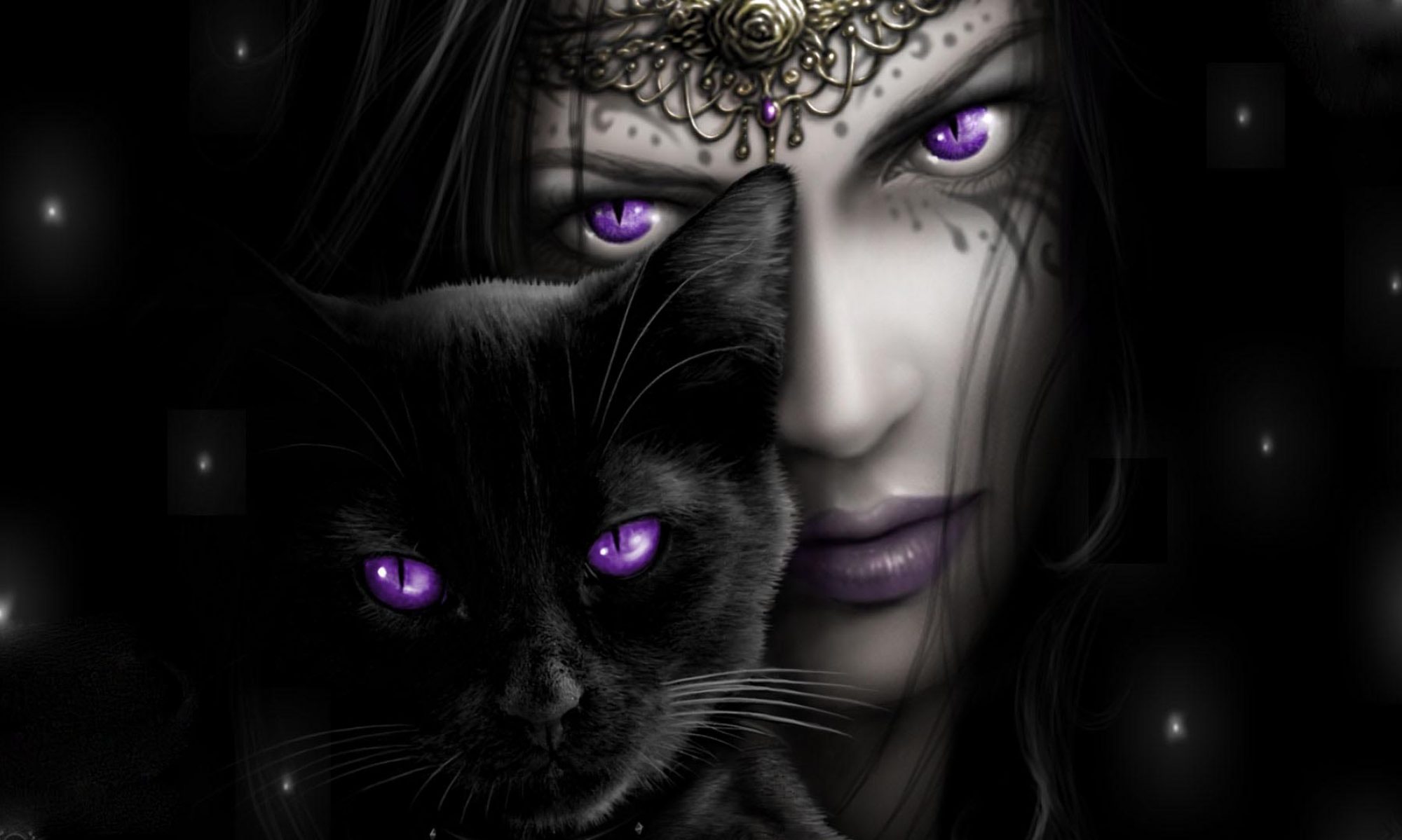
Vampires have haunted folklore and the imagination for centuries, with their origins spanning cultures across the world. These immortal beings are most commonly depicted as bloodthirsty predators, lurking in the shadows to feed on the life force of the living. The legend of the vampire is believed to have originated in Eastern Europe, particularly with the Slavic cultures, though similar myths appear in many regions, including Asia, Africa, and the Americas. Vampires are often associated with death, the undead, and the eternal battle between life and darkness.
The Undying Creatures of Legend
Where do vampires come from? In many cultures, vampires are said to arise from the dead, either due to supernatural causes or as a result of an unholy or cursed life. The traditional belief is that a vampire is created when a person dies unnaturally—by violence, suicide, or improper burial rituals—and rises from the grave to feed on the living. In other legends, they are said to be created by dark magic or the intervention of a demon. In the modern sense, vampires have evolved into more sophisticated creatures, often tied to themes of immortality, curse, and the struggle for control over their insatiable needs.
Types of Vampirism:
- Bloodthirsty Vampires: These are the classic vampires, most commonly portrayed in literature and film. They crave human blood to sustain their immortality and often resort to violent methods to acquire it.
- Emotional Vampires: These vampires feed on the emotions of others, particularly fear, sadness, or anger. Often invisible to the untrained eye, they drain the life force of those they encounter through their ability to manipulate emotions.
- Energy Vampires: Rather than feeding on blood or emotions, energy vampires absorb the life force of individuals, leaving them feeling exhausted, weak, or drained after an encounter.
- Spiritual Vampires: These vampires are concerned with draining the spiritual energy or soul of their victims. Often tied to darker, occult practices, they seek to take control of their victim’s spiritual essence, leaving them spiritually barren.
- Psychic Vampires: Often associated with mysticism, these vampires feed on the mental energy of others. They may use telepathy or other forms of psychic manipulation to extract this energy, often leaving their victims mentally drained.
A Vampire Is A Vampire
Vampires are primarily believed to crave blood, an essential part of their survival. However, not all vampires are after the same thing. In addition to bloodthirsty vampires, there are those who seek emotional energy, life force, or even spiritual sustenance. Their desires vary from the simple need to feed to the manipulation and control of others to fuel their immortality.
While the blood-drinking vampire is most often tied to Eastern European cultures, the concept of energy and emotional vampires is more universal, appearing across many cultures and spiritual beliefs. These beings are often thought to want to survive and gain power at the expense of others, whether by draining blood, emotional stability, or vital energy.
Vampires can be highly dangerous, feeding on their victims’ life sources to the point of death or complete exhaustion, depending on the type. Each type of vampire has specific methods for capturing their prey, and in many cases, the victim is left with lingering effects long after the encounter.
To learn more about the different types of vampires, their origins, and the terrifying myths surrounding these bloodsucking creatures, explore our extended blog section on Cryptids & Entities.